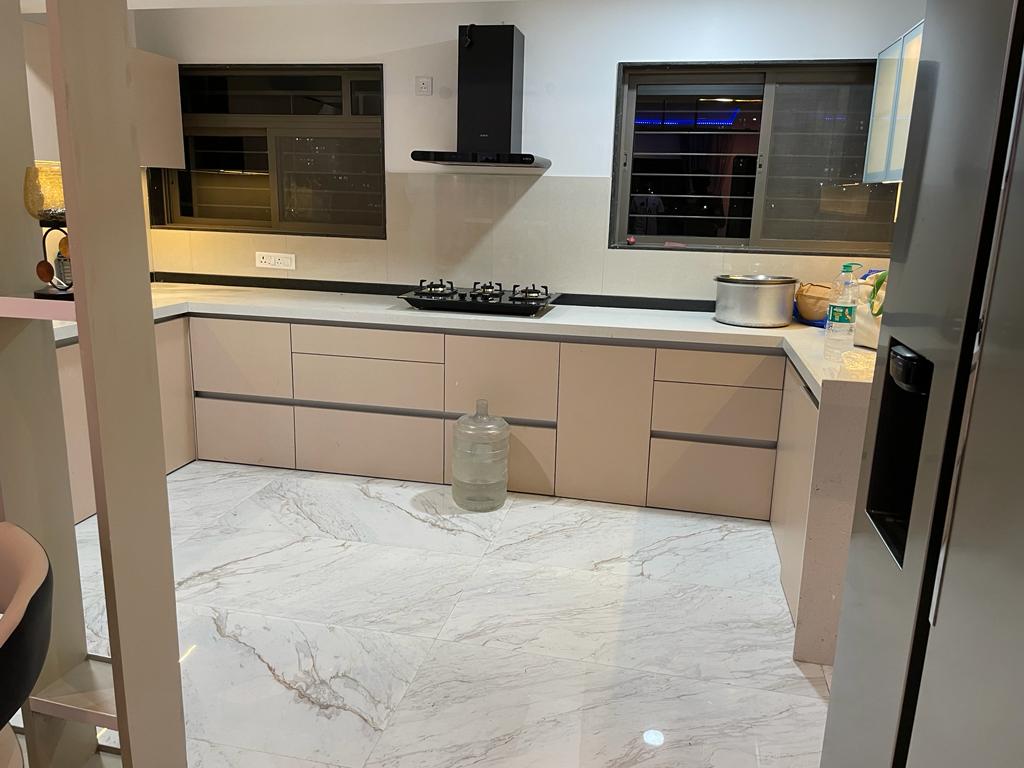


Description
Product details
Starting a modular kitchen manufacturing business can be a profitable venture, given the increasing demand for modern kitchen solutions. Here are the steps you can follow to become a modular kitchen manufacturer: Market Research: Conduct thorough market research to understand the demand for modular kitchens in your target area. Identify your target audience, including homeowners, builders, interior designers, and contractors. Business Plan: Create a detailed business plan outlining your company's goals, budget, and strategies for marketing, production, and distribution. Legal Requirements: Register your business and obtain any necessary licenses or permits. Decide on your business structure (sole proprietorship, LLC, corporation, etc.) and register accordingly. Location and Setup: Find a suitable location for your manufacturing facility, showroom, and office space. Set up the necessary infrastructure and equipment for manufacturing modular kitchens. Design and Development: Invest in CAD (Computer-Aided Design) software and skilled designers to create modular kitchen designs. Develop prototypes and sample designs to showcase to potential customers. Sourcing Materials: Establish relationships with suppliers for materials like kitchen cabinets, countertops, hardware, and appliances. Ensure the quality and reliability of your materials. Manufacturing Process: Implement an efficient manufacturing process for producing modular kitchen components. Consider incorporating automation to improve production speed and accuracy. Quality Control: Implement strict quality control measures to ensure that each modular kitchen unit meets the highest standards. Conduct inspections at various stages of production. Marketing and Branding: Create a brand identity, including a logo, website, and marketing materials. Develop a marketing strategy that includes online and offline promotion. Showroom: Set up a showroom to display your modular kitchen designs and products. Make the showroom inviting and user-friendly to help customers visualize their future kitchens. Sales and Distribution: Hire sales representatives to target your key customer segments. Establish partnerships with builders, contractors, and interior designers. Consider e-commerce and online sales platforms to reach a broader audience. Customer Service: Provide excellent customer service, including after-sales support and warranties. Address customer concerns and feedback promptly. Pricing: Determine competitive pricing strategies based on your costs and market research. Offer customization options to cater to different budgets and preferences. Sustainability: Consider eco-friendly materials and practices in your manufacturing process to appeal to environmentally-conscious customers. Financial Management: Keep accurate financial records and monitor your cash flow. Plan for expansion and growth while maintaining financial stability. Scaling Up: As your business grows, consider expanding to new markets or offering additional kitchen-related products and services. Starting a modular kitchen manufacturing business requires careful planning and dedication. It's essential to stay updated with the latest design trends and customer preferences to remain competitive in the market. Additionally, providing exceptional quality and customer service will help you build a strong reputation in the industry.